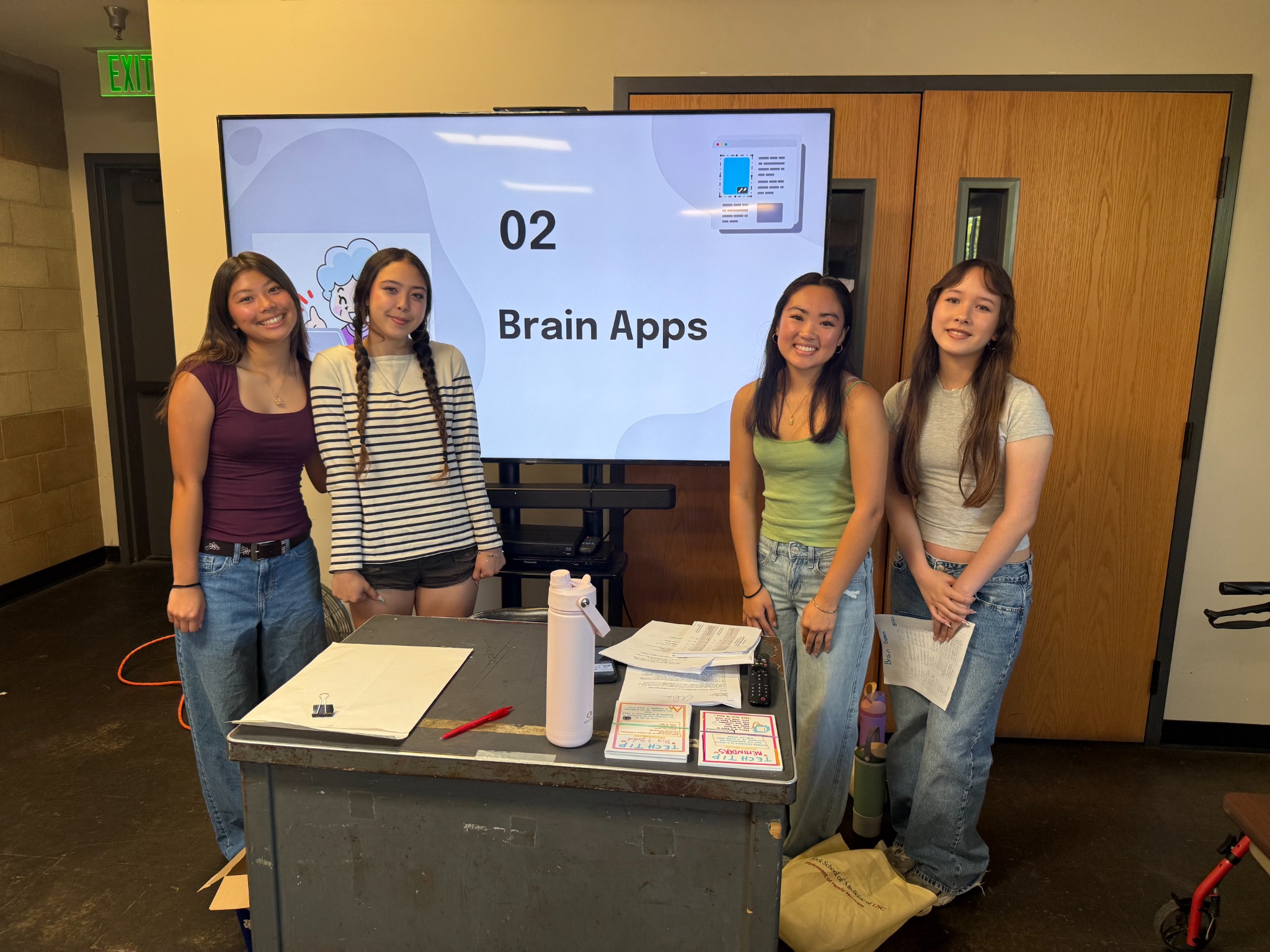
What Are Brain Games?
- Games played on a smartphone or tablet, can be played alone or with others.
- Designed to challenge the brain, be enjoyable, help maintain cognitive function.
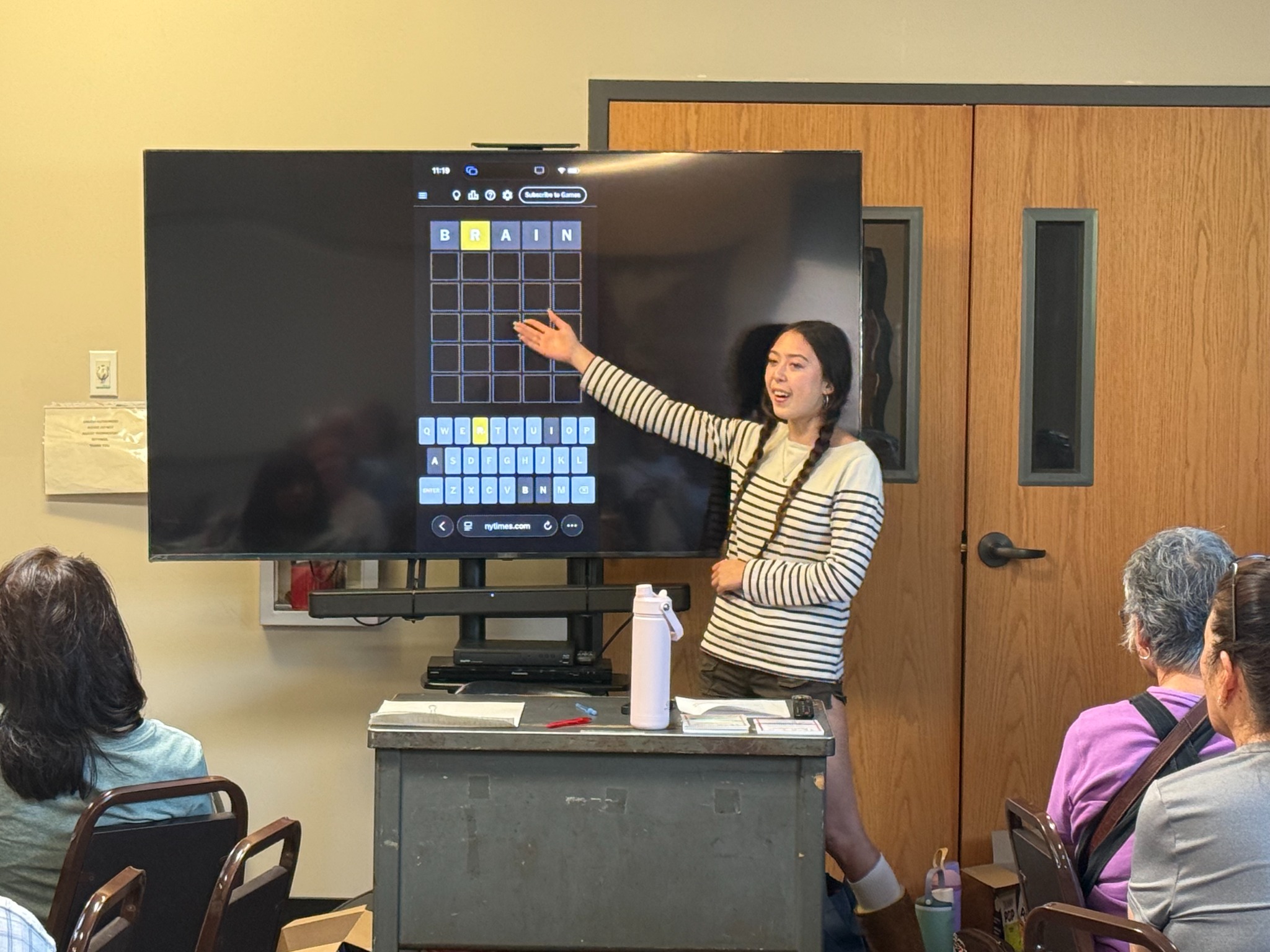
Icebreaker 1: New York Times Games
Complete a Wordle (or another NYT game) together as a group.
Brain Benefits of Games
- Strengthens vocabulary
- Improves memory
- Builds problem-solving skills
- Improves pattern recognition
- Enhances attention and focus
- Encourages cognitive flexibility
How Can It Help You Everyday?
- Better word recall during conversations
- Improved reading comprehension
- Stronger problem-solving abilities
- Greater mental flexibility when facing daily challenges
Icebreaker 2: Spot the Difference Game
Display two similar images. Participants write down differences they find.
- Was it challenging?
- Did you notice yourself concentrating?
- How many differences did you find?
- Review Answers
- Reveal all image differences
Brain Benefits of this game
- Improves attention to detail
- Strengthens visual processing
- Enhances working memory
- Improves concentration
Everyday Benefits
- Notice changes in surroundings
- Find misplaced items more easily
- Better awareness while walking or driving
- Improved recognition of faces and objects
Why Brain Games Matter
The brain is like a muscle. Regular mental exercise helps keep it active. Brain Games Work Best alongside physical exercise, social interaction, healthy eating, and quality sleep.
Strengthens Memory
- Improves short-term and working memory
- Helps remember names, appointments, and locations of personal items.
- Examples: Memory matching, Sequence recall, Pattern recognition
Improves Attention & Focus
- Builds concentration
- Reduces distraction
- Helps with reading, driving, and following conversations
- Examples: Spot the Difference, Visual search puzzles, Timed concentration games
Improves Processing Speed
- Discuss natural slowing with age
- Practice improves reaction time
- Examples: Fast matching games, Timed puzzles, Reaction challenges
Improves Problem Solving
- Strengthens executive functioning
- Helps with planning, organization, and decision making
- Examples: Sudoku, Chess, Logic puzzles
Encourages Neuroplasticity
Learning new games builds new brain connections. Stronger connections help the brain continue learning throughout life.
Reduces Stress
Brain games encourage calm, focused attention. Lower stress may help memory and overall brain health. Many games are played against yourself rather than others, so the focus is on improving your own skills.
Demonstration 1: Suika Watermelon Game